Can Dental Plaque Be Removed At Home?

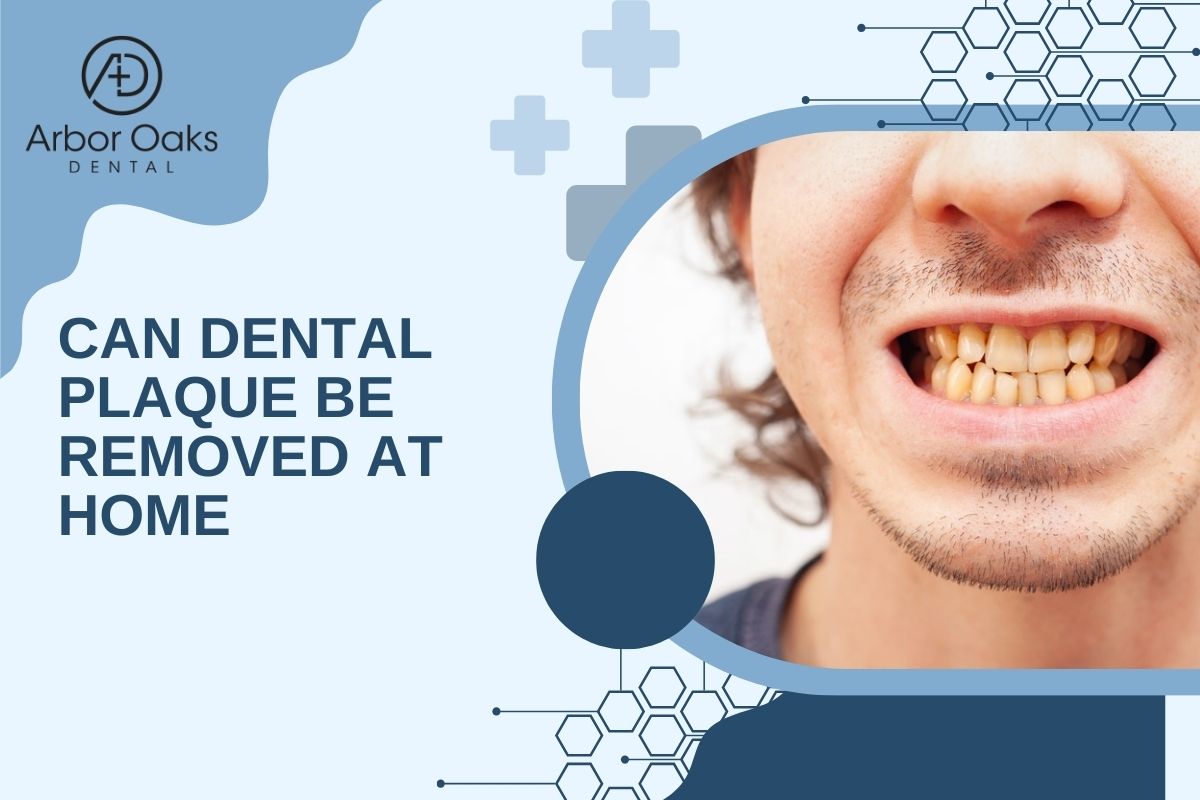
This is a sticky, colorless film that forms on teeth throughout the day. It consists of bacteria, food debris, and saliva. If not removed properly, it leads to gum irritation, tooth decay, and bad breath. Eventually, it hardens into tartar, which is much more difficult to deal with. You might feel a fuzzy coating on your teeth or notice a change in your breath, both of which signify plaque buildup.
However, one of the most common questions is whether it can be removed at home. If you are also among them, this blog will answer your query.
Is it Possible to Remove Plaque at Home?
Plaque, a sticky substance of bacteria and sugars, can harden and turn into tartar, also known as dental calculus. Tartar can negatively affect your oral health, so it’s essential to keep it at bay.
The answer is yes. You can remove this harmful layer at home when you know the right habits and techniques. Want to know them? Here is what you need to do,
Brushing and Flossing the Right Way
Regular brushing and flossing are the foundation of controlling plaque. It is not just about doing it, it is about doing it the right way. Brush twice a day using a soft-bristled toothbrush. Angle the brush towards the gum line and brush for two minutes. Make sure you clean every surface, including the backside of your teeth.
Moreover, floss once daily to clean between teeth, where your toothbrush can not reach. Flossing removes it before it hardens.
Home Remedies That Help
While nothing replaces professional care from a reliable dentist in Austin, some household items remove plaque while you are at home. They are as follows,
- Baking Soda –Combine a little baking soda with water to make a smooth, gentle paste. It scrubs away the plaque buildup, making your teeth feel cleaner.
- Oil Pulling-Swishing coconut or olive oil around in your mouth for about twenty minutes reduces bacteria and loosens plaque. However, do not take it as a replacement for brushing, but as an extra step for cleaner teeth.
- Natural Paste Mixes -You can blend baking soda, aloe vera, a bit of glycerin, and lemon essential oil into a natural paste. When used occasionally, this mix supports your regular oral hygiene routine.
- Vinegar Mouth Rinse-A mild mix of white vinegar, salt, and water softens tartar and fights bacteria. Gargle with it gently, but do not overdo it. Too much vinegar wears down enamel over time.
Understanding Why a Dental Professional Is Best
In our quest for a healthy, radiant smile, many of us wonder about the effectiveness of at-home remedies for common dental issues like plaque. While diligent brushing and flossing are undeniably crucial for daily plaque control, the persistent question remains: can dental plaque truly be removed at home? The short answer is, to a certain extent, yes – you can manage it daily. However, for thorough and safe plaque removal, particularly hardened plaque (calculus or tartar), a dental professional is not just recommended, but essential.
Here’s why trusting your dental plaque removal to a qualified professional is the best choice for your oral health:
1. Detecting Hidden Plaque and Tartar
You might be able to see some plaque accumulation on the visible surfaces of your teeth, but what about the areas you can’t see? Dental professionals are equipped with specialized tools and keen eyes to spot plaque and tartar in hard-to-reach places. These include:
- Below the gum line: This is a prime breeding ground for bacteria and can lead to gum disease if left unchecked.
- Between teeth: Even with flossing, some microscopic plaque can remain, especially in tight spaces.
- Around existing dental work: Crowns, bridges, and fillings can sometimes create crevices where plaque can hide.
- Rough tooth surfaces: Areas with minor chips or irregularities can trap plaque more easily.
A dental professional’s comprehensive examination ensures no plaque or tartar goes unnoticed, preventing future complications.
2. Specialized Tools and Techniques for Thorough Removal
While your toothbrush and floss are excellent for daily maintenance, they simply aren’t designed to remove hardened plaque (tartar). Tartar is calcified plaque that firmly adheres to your teeth and cannot be brushed or flossed away. Dental professionals use a range of specialized instruments and techniques, including:
- Scalers: These handheld instruments are meticulously designed to scrape away tartar from tooth surfaces, both above and below the gum line.
- Ultrasonic Devices: Many dental practices utilize ultrasonic scalers, which use high-frequency vibrations and a cool mist to dislodge and rinse away plaque and tartar efficiently and comfortably.
- Polishing: After scaling, a professional polish smooths the tooth surfaces, making it harder for new plaque to adhere and contributing to that fresh, clean feeling.
Attempting to remove hardened plaque yourself with abrasive materials or sharp objects can cause significant damage to your tooth enamel and gums.
3. Preventing and Addressing Gum Disease
Plaque, if not regularly removed, leads to gingivitis (the early stage of gum disease), characterized by inflamed, bleeding gums. If gingivitis progresses, it can develop into periodontitis, a more severe form of gum disease that can lead to bone loss and eventually tooth loss.
Dental professionals are trained to:
- Assess the health of your gums: They can identify early signs of gum disease that you might miss.
- Perform deep cleaning (scaling and root planing): For more advanced cases of gum disease, a professional deep cleaning can remove plaque and tartar from below the gum line and smooth the tooth roots, promoting gum reattachment.
- Provide guidance on gum care: They offer personalized advice on how to improve your at-home oral hygiene routine to prevent gum disease recurrence.
4. Early Detection of Other Oral Health Issues
A professional dental cleaning isn’t just about plaque removal; it’s also a crucial opportunity for a comprehensive oral health check-up.
5. Personalized Oral Hygiene Instruction
While general advice on brushing and flossing is readily available, a dental professional can provide personalized instruction tailored to your unique needs. They can recommend specific toothbrushes and oral care products: Based on your gum health, tooth sensitivity, and manual dexterity.
You can remove plaque at home with the right brushing habits, flossing, and natural methods, but once it hardens into tartar, home care just is not enough. That is why professional dental cleaning matters. It clears what your toothbrush can not and prevents future issues. Therefore, if you want a plaque-free mouth in Austin, consult our dental practitioner for professional cleaning. Book an appointment now to enjoy a healthy smile.