
Dental Implants Explained- What an Austin Dentist Wants You to Know

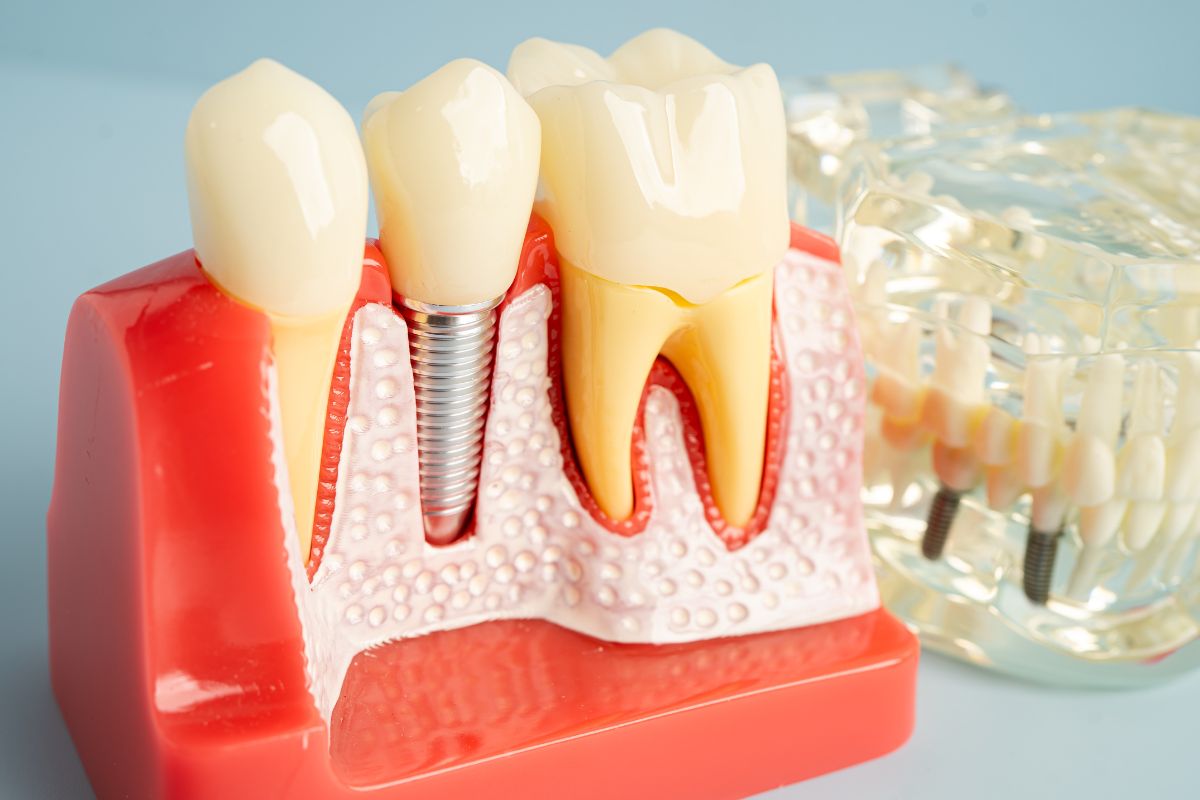
Dental implants are considered the most effective and long-term solution for individuals who have lost one or more teeth. These titanium posts are surgically placed into the jawbone, providing a permanent foundation for replacement teeth.
This procedure has become a go-to treatment for restoring both function and appearance for many patients. But what exactly are dental implants, how do they function, and what can you expect during this dental procedure? In this guide, we’ll explain everything you need to know.
Dental Implants- An Overview
They are small titanium screws that are placed into the jawbone where a tooth is missing. Over time, the bone integrates with the implant, creating a solid foundation for a replacement tooth, also known as a dental crown. Unlike dentures or bridges, implants are permanent and offer a more natural feel and function.
If you’re considering Austin dental implants, you’re choosing a solution that mimics your natural teeth, allowing you to eat, speak, and smile with confidence. These tooth restorations are known for their durability, comfort, and long-lasting results. The procedure is minimally invasive, and most patients find that recovery is quicker and less painful than anticipated.
How Do Dental Implants Work?
They work in two primary stages: the placement of the implant and the attachment of the replacement tooth.
Step 1: Implant Placement
The process begins with a consultation and a thorough examination. Your dental implant dentist will assess the health of your jawbone to determine if it is strong enough to support the implant. If your bone density is adequate, the titanium post will be placed into the jawbone during a surgical procedure. This is done under local anesthesia to ensure you feel no pain during the surgery.
After the implant is placed, the bone will gradually fuse to the titanium post, a process known as osseointegration. This process can take several months but ensures that the implant is securely attached to the jawbone.
Step 2: Placement of the Replacement Tooth
Once the implant has fully integrated with the bone, the dentist will place an abutment on the post, which acts as a connector between the implant and the replacement tooth. The final step is the attachment of the dental crown, which is custom-made to match the color, shape, and size of your natural teeth.
Benefits of Dental Implants
There are many reasons why dental implants in Austin, TX, are considered an excellent solution for replacing missing teeth. Here are some of the key benefits:
- Natural Appearance: Implants closely resemble your natural teeth, allowing you to smile and speak with confidence.
- Improved Comfort: Unlike dentures, which can slip or cause irritation, implants are securely fixed in place, providing greater comfort and stability.
- Durability: With proper care, these restorations can last for many years, often even a lifetime.
- Bone Health: Implants help stimulate the jawbone, preventing bone loss that often occurs after tooth loss.
- Better Functionality: Implants allow you to eat your favorite foods without worrying about slippage or discomfort.
Maintaining Your Dental Implants
Maintaining dental posts is relatively easy. In fact, they require very little maintenance beyond regular oral hygiene. Brushing and flossing twice daily, just as you would with natural teeth, will help keep your implants clean and free from plaque buildup. It’s also important to attend regular dental check-ups and cleanings to ensure your implants are functioning properly.
If you’re looking for a solution to missing teeth, dental implants could be just what you need.
Ready to Restore Your Smile with Dental Implants?
If you’re ready to regain your smile and confidence, Arbor Oaks Dental & Orthodontics is here to help. As a leading dental implant dentist in the area, Dr. Dhaon and her team specialize in providing dental implants. Schedule a consultation today to discover how these restorations can transform your smile.
Frequently Asked Questions
1. Are dental implants safe?
Yes, they are considered a very safe option. They are made of biocompatible materials, such as titanium, which integrate well with the jawbone.
2. Is the dental implant procedure painful?
Most patients experience only mild discomfort during and after the procedure. Local anesthesia is used to minimize pain during the surgery.
3. How long does it take to get dental implants?
The entire process can take several months, as the implant needs time to fuse with the jawbone before the replacement tooth is placed.
4. Can dental implants fail?
While dental implants have a high success rate, they can fail if there is insufficient bone or if the implant becomes infected. Proper care and follow-up visits are essential to ensure success.
5. Who is a good candidate for dental implants?
Individuals with good overall health and sufficient bone density are typically good candidates for dental implants. During the consultation, your dentist will assess your situation.