
Fear of the Dentist? Overcoming Dental Anxiety

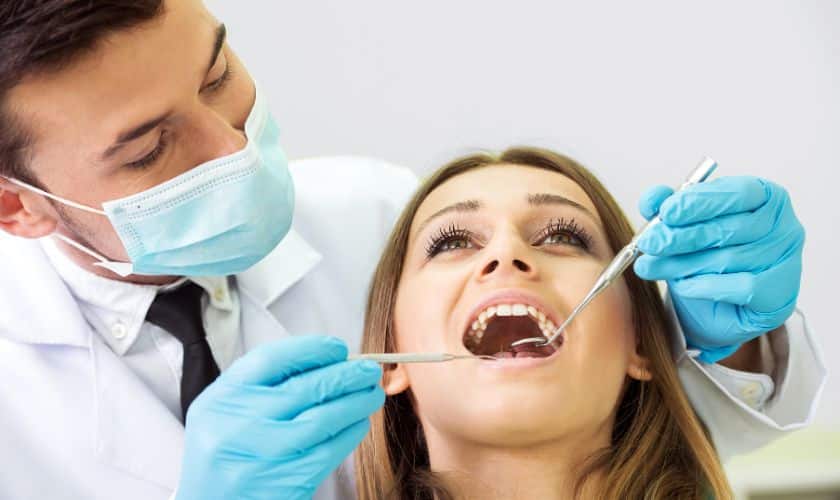
For many individuals, the thought of visiting the dentist evokes feelings of fear, anxiety, or even dread. Dental anxiety is a common phenomenon that can prevent people from seeking the dental care they need, ultimately compromising their oral health. In Austin, Texas, dentists recognize the prevalence of dental anxiety and are dedicated to creating a welcoming and supportive environment to help patients overcome their fears and receive the care they deserve.
Understanding Dental Anxiety
Dental anxiety can stem from various sources, including fear of pain, previous negative experiences, embarrassment about oral health, or a feeling of loss of control. These fears can manifest as physical symptoms such as increased heart rate, sweating, trembling, or even panic attacks when faced with the prospect of a dental appointment. Left unaddressed, dental anxiety can lead to avoidance of dental care, resulting in untreated dental issues and deterioration of oral health.
Creating a Supportive Environment
In Austin, dentists recognize the importance of addressing dental anxiety and strive to create a supportive environment where patients feel comfortable and at ease. From the moment patients enter the dental office, they are greeted with warmth and empathy by the staff. Reception areas are designed to be calming and inviting, with comfortable seating, soothing décor, and amenities such as coffee, tea, or water to help patients relax.
Building Trust and Rapport
Building trust and rapport between dentist and patient is essential for overcoming dental anxiety. Austin dentists take the time to listen to their patients’ concerns, validate their feelings, and answer any questions they may have about their treatment. By fostering open communication and transparency, dentists help alleviate patients’ fears and empower them to take an active role in their dental care.
Providing Sedation Options
For patients with severe dental anxiety or phobia, sedation dentistry offers a viable solution to help them relax during dental procedures. Austin dentists offer a range of sedation options, including nitrous oxide (laughing gas), oral sedatives, or intravenous (IV) sedation, depending on the patient’s needs and the complexity of the procedure. Sedation dentistry allows anxious patients to undergo treatment comfortably and safely, often with little to no memory of the experience afterward.
Incorporating Relaxation Techniques
In addition to sedation options, Austin dentists incorporate various relaxation techniques to help patients manage their anxiety during dental appointments. These may include deep breathing exercises, guided imagery, progressive muscle relaxation, or distraction techniques such as listening to music or watching TV during treatment. By focusing on relaxation and mindfulness, patients can reduce their anxiety levels and feel more at ease throughout their dental visit.
Gradual Exposure and Desensitization
For patients with severe dental anxiety, overcoming fear may require a gradual approach known as exposure therapy or desensitization. Austin dentists work with these patients to gradually expose them to dental stimuli in a controlled and supportive environment. This may involve starting with simple tasks such as sitting in the dental chair or having a brief examination before progressing to more complex procedures over time. By gradually building confidence and trust, patients can overcome their fear and receive the dental care they need.
Conclusion: Empowering Patients to Overcome Fear
In conclusion, dental anxiety is a common but manageable condition that affects many individuals in Austin and beyond. By creating a supportive environment, building trust and rapport, providing sedation options, incorporating relaxation techniques, and employing gradual exposure and desensitization, dentists in Austin empower patients to overcome their fear of the dentist and prioritize their oral health. With compassionate care and personalized support, anxious patients can take the first steps toward achieving a healthy and beautiful smile without fear holding them back.