
Is Your Tooth Cracked? Here’s How to Know

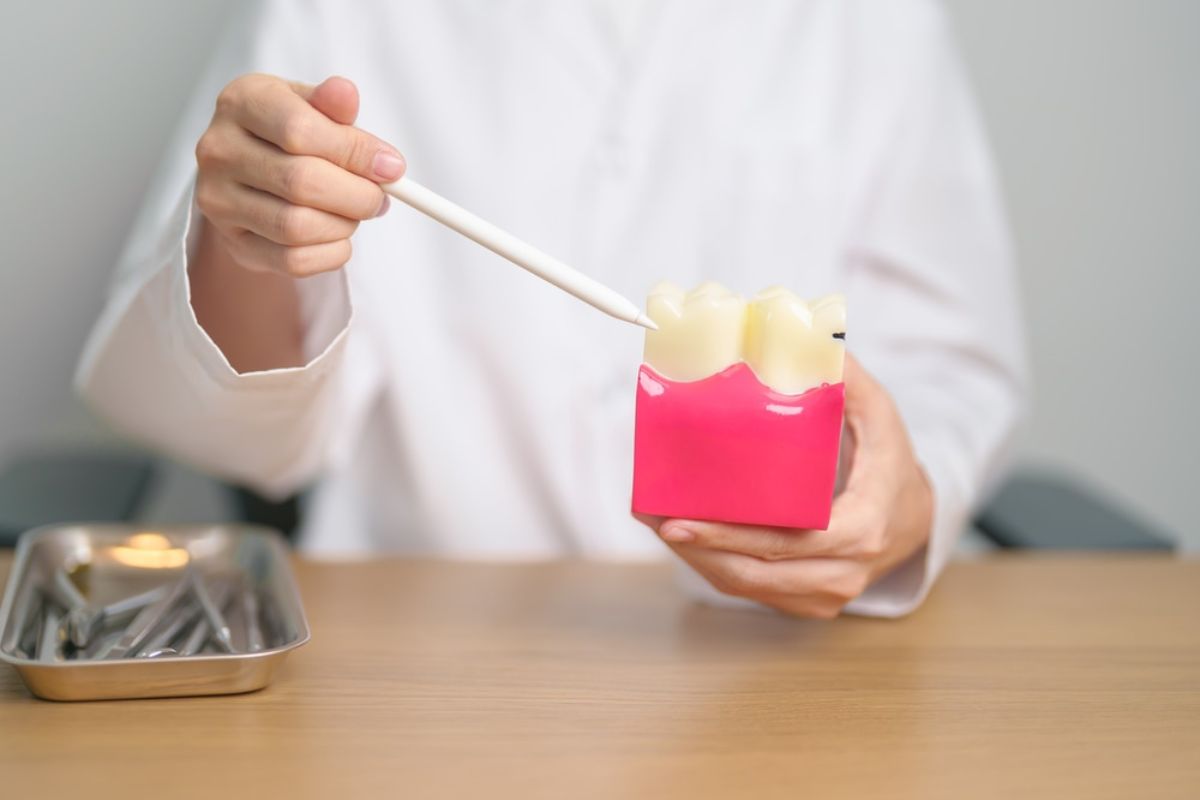
Ever feel a strange twinge in your tooth? A sudden jolt of pain when you bite down? You might have a cracked tooth. It’s a common dental issue. Sometimes, the signs are subtle. Other times, they’re impossible to ignore. Let’s explore how to identify this problem. Early detection is key to saving your tooth.
What Are Some of the Causes of a Cracked Tooth?
Cracked teeth can happen in many ways and the following are some of the common causes –
- Biting something hard is a common cause. Ice, hard candy, or even unpopped popcorn kernels are culprits.
- Trauma to the face can also lead to cracks. Think sports injuries or accidents.
- Grinding or clenching your teeth at night is another factor. This constant pressure weakens tooth structure.
- Large fillings can also increase risk. They can compromise the tooth’s integrity over time.
What Are Some Signs That I May Have Cracked My Tooth?
That sudden zing in your tooth can be alarming. Sometimes, it’s just a fleeting sensitivity. Other times, it signals a deeper problem. A cracked tooth often falls into the latter category. It’s not always obvious, but your body usually sends clear signals. Knowing these signs can help you seek timely help.
Here are key indicators you might have cracked a tooth:
- Pain When Chewing or Biting
- Sensitivity to Temperature
- Sensitivity to Sweet Foods
- Intermittent Pain:
- Swelling Around the Affected Tooth
- Visible Cracks or Lines:
- No Obvious Cause for Pain
Recognizing these signs is your first step. A cracked tooth won’t heal on its own. Delaying treatment can worsen the damage. It can even lead to tooth loss. If you suspect a cracked tooth, visit our Austin-based dental expert promptly. They have specialized tools for diagnosis. They can recommend the best treatment option. Don’t let a small crack become a big problem.
Why Early Intervention Matters
Ignoring a cracked tooth is risky. The crack can deepen over time. It can reach the tooth’s pulp. This leads to infection. An infection can cause severe pain. It might even lead to an abscess. In severe cases, the tooth might need extraction. Timely treatment can prevent these complications. It can save your natural tooth. A skilled dental expert can assess the damage. They will recommend the best course of action. This could be bonding, a crown, or root canal.
Your Next Step: Seek Professional Help
If you suspect a cracked tooth, act fast. Don’t delay your visit to the dentist. They have tools to diagnose the problem. X-rays sometimes show deeper cracks. A dental explorer can detect surface imperfections. A biting test can pinpoint pain. Your dentist will determine the extent of the damage. They will explain your treatment options clearly. Don’t let a cracked tooth worsen. Protect your smile and your comfort.
How Is a Cracked Tooth Treated? Your Options Explained
Discovering a cracked tooth can be unsettling. The good news is dentists have many ways to fix them. The treatment always depends on the crack’s size and location. Early action often leads to better outcomes. Let’s explore the common treatment options available.
- Dental Bonding: This involves applying a tooth-colored resin. The resin is shaped and then hardened with a special light. It effectively fills the crack. This procedure can restore the tooth’s look and function. It’s a simple, often single-visit solution.
- Dental Fillings: If the crack is small and doesn’t extend deep, a traditional filling might be used. It fills the damaged area. This protects the tooth from further decay. It’s a common and effective method for small repairs.
- Dental Crowns: A crown is a cap placed over the entire cracked tooth. It fully covers the tooth, giving it strength and protection. Crowns are custom-made to match your natural teeth. They are usually made from porcelain or ceramic. Placing a crown typically requires two appointments. Your dentist will prepare the tooth. Then, an impression is taken. The crown is fabricated in a lab. Finally, it’s cemented onto your tooth.
- Dental Veneers: For cracks on front teeth, a veneer might be an option. Veneers are thin, custom-made shells. They are bonded to the front surface of the tooth. This covers the crack and improves appearance. Veneers are durable and look very natural. They are primarily a cosmetic solution.
- Root Canal Therapy: This procedure removes the damaged or infected pulp. The inside of the tooth is cleaned and disinfected. Then, it’s filled and sealed. After a root canal, a crown is often placed. This protects the weakened tooth from further fracturing. Root canals can save a tooth that might otherwise be lost.
- Tooth Extraction: If the tooth cannot be saved, it will need to be removed. Your dentist will discuss replacement options. These include dental implants or bridges. While a last resort, extraction can stop pain and prevent infection spread. An implant replaces the root and crown.
Ready to get that nagging tooth checked? Don’t wait for the pain to get worse. Request an appointment with our experienced dentist in Austin today! Your healthy smile is our priority.