Types of Dental Bridges and Their Benefits

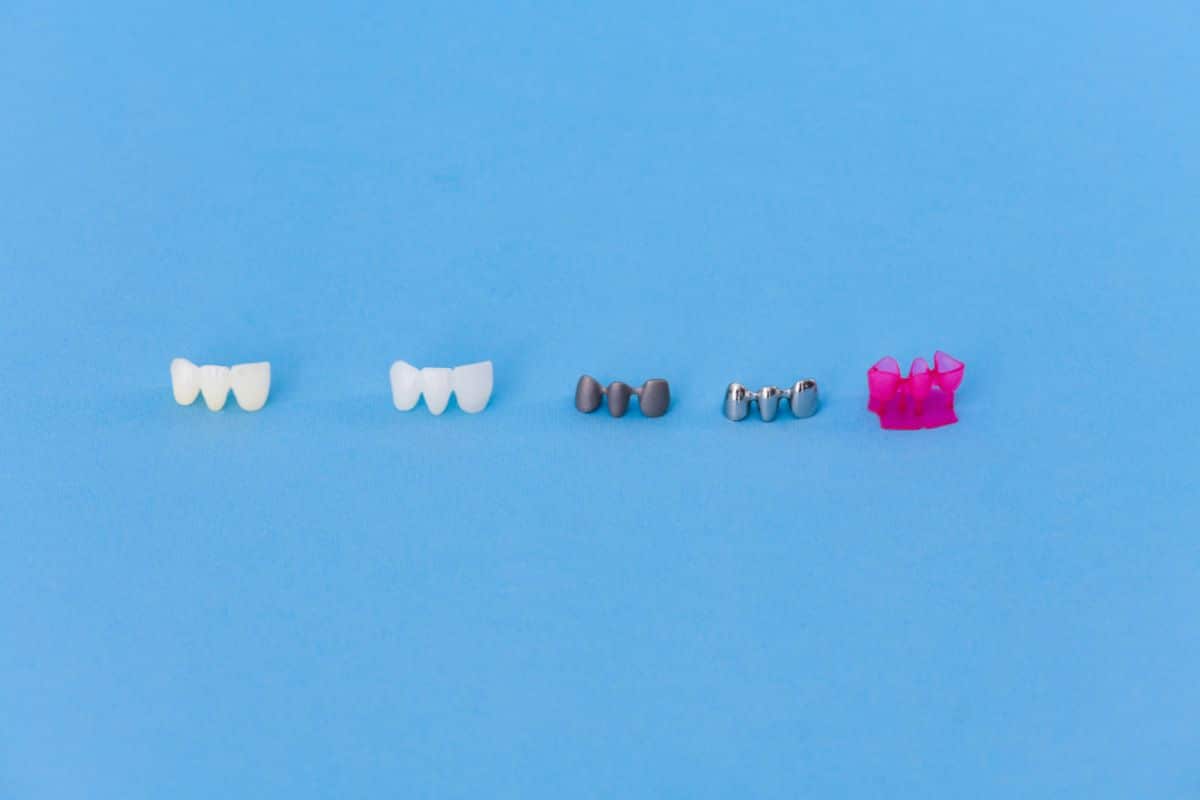
A missing tooth can affect more than just your smile. It can impact how you eat, speak, and even your confidence. One of the best solutions for this problem is getting a dental bridge. But, with several types of dental bridges available, how do you know which one is right for you? Let’s break down the different types of dental bridges in Austin and their unique benefits.
What Are Dental Bridges?
Dental bridges are a type of prosthetic device used to replace missing teeth. They “bridge” the gap created by one or more missing teeth. A typical dental bridge consists of crowns placed on either side of the gap, known as abutment teeth, with a false tooth (or teeth) in between. These false teeth, called pontics, can be made from various materials such as porcelain, gold, or alloys. The benefits of dental bridges are not just aesthetic; they also restore your ability to chew, maintain the shape of your face, and prevent remaining teeth from shifting.
Types of Dental Bridges
There are four main types of dental bridges, each with its own advantages. Let’s take a closer look at them:
1. Traditional Dental Bridges : Traditional bridges are the most common type. They consist of one or more false teeth held in place by dental crowns. These crowns are cemented onto the abutment teeth on either side of the gap.
Benefits:
- Strong and reliable.
- Ideal for people with natural teeth on both sides of the gap.
- Can replace multiple teeth.
Downside:
- Requires the filing down of adjacent teeth to support the bridge.
2. Cantilever Bridges : A cantilever bridge is similar to a traditional bridge but only requires one adjacent tooth for support. This type of bridge is used when there is only one natural tooth next to the missing tooth gap.
Benefits:
- A good option when only one natural tooth is available.
- Less invasive than traditional bridges as it affects fewer teeth.
Downside:
- May not be as strong as a traditional bridge, especially for back teeth that endure more pressure from chewing.
3. Maryland Bonded Bridges : Maryland bridges, also known as resin-bonded bridges, are typically used to replace missing front teeth. Instead of using crowns, a metal or porcelain framework is bonded to the back of the adjacent teeth.
Benefits:
- Minimally invasive.
- No need to alter the adjacent teeth.
- Affordable compared to other bridge types.
Downside:
- Less durable compared to other options.
- Not ideal for replacing molars due to chewing pressure.
4. Implant-Supported Bridges : Implant-supported bridges use dental implants instead of crowns or frameworks for support. Implants are surgically placed in the jawbone, and the bridge is attached to them. This option is great for people missing several teeth in a row.
Benefits:
- The most stable and durable option.
- Prevents bone loss in the jaw.
- Doesn’t require altering adjacent teeth.
Downside:
- Requires surgery for implant placement.
- The process can be longer and more expensive.
Benefits of Dental Bridges
Getting a dental bridge offers a range of benefits, beyond just filling the gap. Here are some of the top advantages of opting for dental bridges in Austin:
1. Restores Functionality : Dental bridges help restore your ability to chew and speak properly, making day-to-day tasks easier. With a well-fitted bridge, you can eat all your favorite foods without worrying about pain or discomfort.
2. Prevents Teeth from Shifting : When you have a gap in your mouth, surrounding teeth may start to shift, causing misalignment. A dental bridge keeps your teeth in place, preventing future oral health issues.
3. Improves Your Appearance : Missing teeth can affect your smile and overall facial structure. A dental bridge helps maintain the shape of your face, giving you a more youthful and balanced appearance.
4. Quick Procedure : Compared to other restorative treatments, dental bridges can be completed in just a few visits. This makes it a convenient option for those looking for a quick fix to missing teeth.
5. Affordable Option : Compared to implants, dental bridges in Austin are a more affordable solution. They offer a cost-effective way to restore your smile without breaking the bank.
Conclusion
Choosing the right type of dental bridge depends on your specific needs and oral health. Traditional, cantilever, Maryland, and implant-supported bridges each offer unique benefits. Whether you’re looking to improve functionality, enhance your appearance, or simply restore your smile, dental bridges provide a reliable solution. If you’re considering dental bridges in Austin, consult your dentist to determine which type will best suit your situation. Don’t let missing teeth hold you back when a beautiful, functional smile is just a dental bridge away!