
When to See a Dentist for Root Infection Symptoms: A Guide for Austin Residents

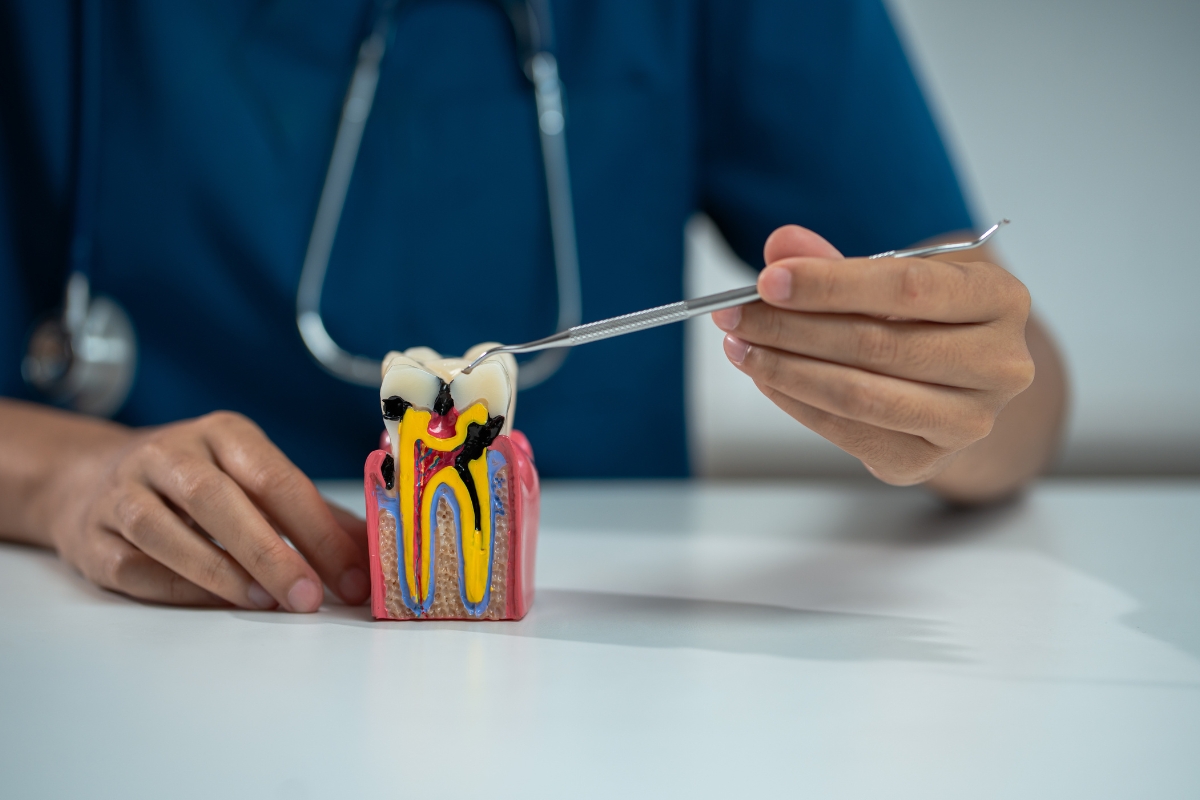
A root infection can happen for several reasons, including untreated cavities, trauma to the tooth, or gum disease. It occurs when bacteria penetrate the tooth and reach the pulp, causing an infection that can spread to surrounding tissues. Root infections can lead to severe pain and complications if not treated promptly. It’s essential to recognize the signs of a root infection early and seek dental treatment as soon as possible. Residents are used to fast-paced, vibrant living, so proactively maintaining dental health is vital to prevent long-term issues.
If you’re experiencing any signs that may indicate a root infection, it’s important to understand when to seek professional help. Sometimes, the symptoms are subtle, and many people may brush them off. However, without timely intervention, the infection can worsen and spread, affecting not just your tooth but your overall health. In this bustling culture, people enjoy the Austin City Limits Music Festival and visits to iconic places like the Texas State Capitol. That is why there’s always a reason to smile, and dental health should be a priority. If you are considering root canal treatment in Austin, learn the signs to look for.
Common Symptoms of a Root Infection
Recognizing the early signs of a root infection is crucial. Some of the most common symptoms include:
- Severe tooth pain: Persistent or sharp pain is a major sign. If the pain intensifies when chewing or applying pressure, it could indicate a root infection.
- Swollen or tender gums: Gums near the infected tooth might swell or become tender to the touch.
- Sensitivity to hot or cold: A heightened sensitivity to temperatures, particularly when eating or drinking, is a common sign of a dental issue, including a root infection.
- Discoloration of the tooth: An infected tooth may turn darker in color.
- Pus or abscess: If you notice any pus or drainage from the gums around the tooth, this is a sign that the infection has spread.
- Fever and fatigue: In some cases, an infection can cause a fever or a general feeling of fatigue as the body fights the infection.
When to See a Dentist Right Away?
A root infection is not something you should wait out. The sooner you see a dental professional, the better the chances of saving the tooth and preventing further complications. If you experience any of the following symptoms, it’s crucial to see a dental practitioner right away:
Increased or Unbearable Pain
Pain that doesn’t subside or keeps getting worse may signal an infection that is progressing. Immediate care can help relieve discomfort and save the tooth.
Abscess or Swelling in the Face
If you develop a noticeable swelling on your face, especially near the infected tooth, it could indicate a severe infection that requires urgent treatment. This is a serious sign of infection spreading into surrounding tissues.
Difficulty Breathing or Swallowing
This can be an indicator that the infection has spread beyond the root of the tooth, affecting nearby areas. If you experience this, seek emergency dental treatment immediately.
Fever and Other Systemic Symptoms
A dental infection affecting your health, like fever or swelling beyond the tooth, may have become dangerous. Prompt treatment can prevent it from spreading to other parts of the body.
What Happens During Root Therapy?
When a root infection is detected, root canal treatment in Austin is often the most effective solution. During the procedure, the infected pulp is removed, the inside of the tooth is cleaned and sealed, and the tooth is restored to full function. Here’s a breakdown of the process:
Step 1: Sedation
To ensure comfort during the procedure, local anesthesia is administered. This numbs the area around the infected tooth so you won’t feel any pain during the treatment.
Step 2: Cleaning the Infection
The dental practitioner will remove the infected pulp and clean the canals inside the tooth. The area will be thoroughly disinfected to prevent further infection.
Step 3: Sealing the Tooth
Once the tooth is cleaned, it will be sealed to prevent future bacterial growth. In most cases, a crown will be placed over the tooth for added protection and strength.
Step 4: Restoration
After the root canal, the dentist will restore the tooth with a filling or crown to return it to its natural appearance and functionality.
How to Prevent Root Infections?
The best way to avoid a root infection is to practice good oral hygiene and visit your dentist regularly. Here are some preventive tips:
- Brush and floss daily: Regular brushing and flossing help remove plaque and bacteria from your teeth and gums.
- Avoid sugary foods: Sugary foods can contribute to the growth of bacteria, leading to cavities that may result in infections.
- Use fluoride toothpaste: Fluoride strengthens enamel and helps prevent decay.
- Regular checkups: Visit your dental professional for routine cleanings and exams to catch any dental issues before they become major problems.
Residents of this city loved the vibrant food scene, especially BBQ and tacos. However, it’s still important to maintain oral health after enjoying meals. Regular visits to a trusted dental office can ensure that your smile stays healthy, allowing you to savor every bite without worry.
Act Fast to Save Your Tooth with Us
Don’t ignore the signs of a root infection, as it can lead to serious oral health problems. If you notice any symptoms of a root infection, contact Arbor Oaks Dental & Orthodontics right away for a consultation. We offer root canal treatment in Austin while providing compassionate and professional care. Our team is here to help you protect your smile and restore your oral health, so book an appointment now.
Frequently Asked Questions (FAQs) About Root Infection
What is a root infection, and how does it occur?
A root infection occurs when bacteria find their way into the pulp of a tooth, often because of untreated cavities, trauma, or gum disease. It can cause discomfort, swelling, and if not treated, it may even spread.
Can a root infection heal on its own?
No worries! A root infection usually needs some expert help, often a root treatment, to eliminate the infection. It can also prevent it from spreading to other areas of your mouth. Taking care of it early can make all the difference!
How long does a root canal procedure take?
Usually, a root therapy takes about one to two hours, depending on how complex the infection is. Once the treatment is done, you might need a crown to help restore your tooth’s function.
How can you reduce the risk of a root infection?
To help keep your smile healthy and bright, try to practice good oral hygiene. You also need to visit your dental practitioner regularly and enjoy a balanced diet by avoiding too many sugary foods. Taking care of cavities early on can really help prevent infections from developing.
Are there any risks associated with delaying root canal treatment?
Waiting too long to get treatment can let the infection spread. It might lead to tooth loss, abscesses, or damage to nearby tissues. Getting treatment right away is really important to avoid more serious problems.